
south african author
About Jo-Anne
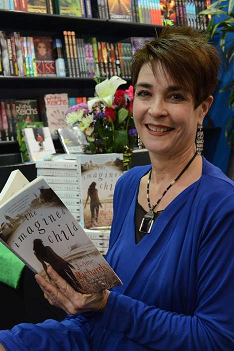
Jo-Anne Richards is an internationally published novelist with a PhD in Creative Writing from Wits University. After fifteen years running the Honours programme in Journalism & Media Studies, she left Wits to concentrate on teaching creative writing through All About Writing.
She has published five novels, her latest being The Imagined Child, published by Picador. Her first novel, The Innocence of Roast Chicken, was originally published by Headline Review in the UK, but has recently been rereleased as one of the prestigious Picador Africa Heritage Series.
Her other books include My Brother’s Book, Picador, Touching the Lighthouse, Headline Review and Sad at the Edges, Stephan Phillips.
Both Innocence and Touching the Lighthouse were published in German by Droemer Knaur.
She has been short-listed for the M-Net Book Prize and nominated for the International Impac Dublin Literary Award. Her first book was chosen as a Dillon’s Debut in London, and showcased as an “outstanding first novel”.
Film rights for Innocence were sold to a UK production company and Jo-Anne co-wrote the screenplay with award-winning screenplay writer Richard Beynon. When the German translation of Lighthouse was launched, she was invited to speak at Bayreuth University in Germany on Writing in a Transitional Society.Jo-Anne has published short stories in six collections: a collection of women’s writing produced by Headline and Cosmopolitan UK; in Laugh the Beloved Country, Double Storey Books; From Joburg to Jozi, Penguin; Something to Write Home About, Jacana; Twist, Oshun; and Home Away, published by Zebra Press. She convened the judging panel for the Thomas Pringle Short Story Award in 2010. She gave readings and talks during the literary segment of the Grahamstown Arts Festival in Rhodes University’s centenary year, 2004. She ran narrative workshops at two international Narrative Journalism conferences and one on Investigative Journalism.
At Wits University, she was academic convenor of the Honours programme in Journalism and Media Studies and supervised Masters students in the Creative Writing programme. Previously, she worked full-time for four South African newspapers – The Star, the Sunday Express, the Cape Times and Evening Post. She has written features and supplements for South African magazines and newspapers, including Fair Lady, Femina, Psychologies, Oprah, Real Simple, Leadership, Living, Elle, True Love, Quality Life, Sunday Times Magazine and Lifestyle, and the Mail & Guardian.
She has also contributed to international titles such as The Guardian in London,Vanity Fair and Talk in New York. She received a B Journ (Hons) from Rhodes University in 1979 and a PhD in Creative Writing from Wits University in 2015. She has worked for several NGOs: READ, Environmental and Development Agency and the African Agricultural Technology Foundation. For many years, she chaired the Southern African Inherited Disorders Association where, in partnership with the Wits Department of Human Genetics, she spearheaded a training programme, and created learning materials, to bring primary genetic health to under-served, mainly rural, communities.
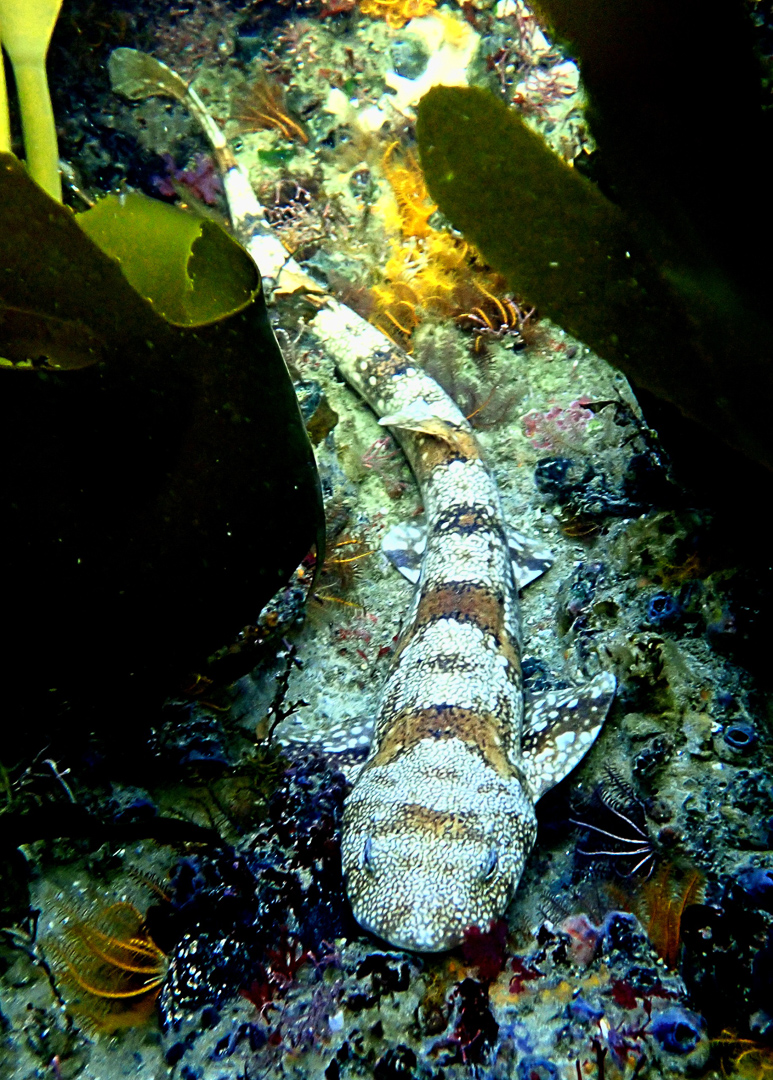
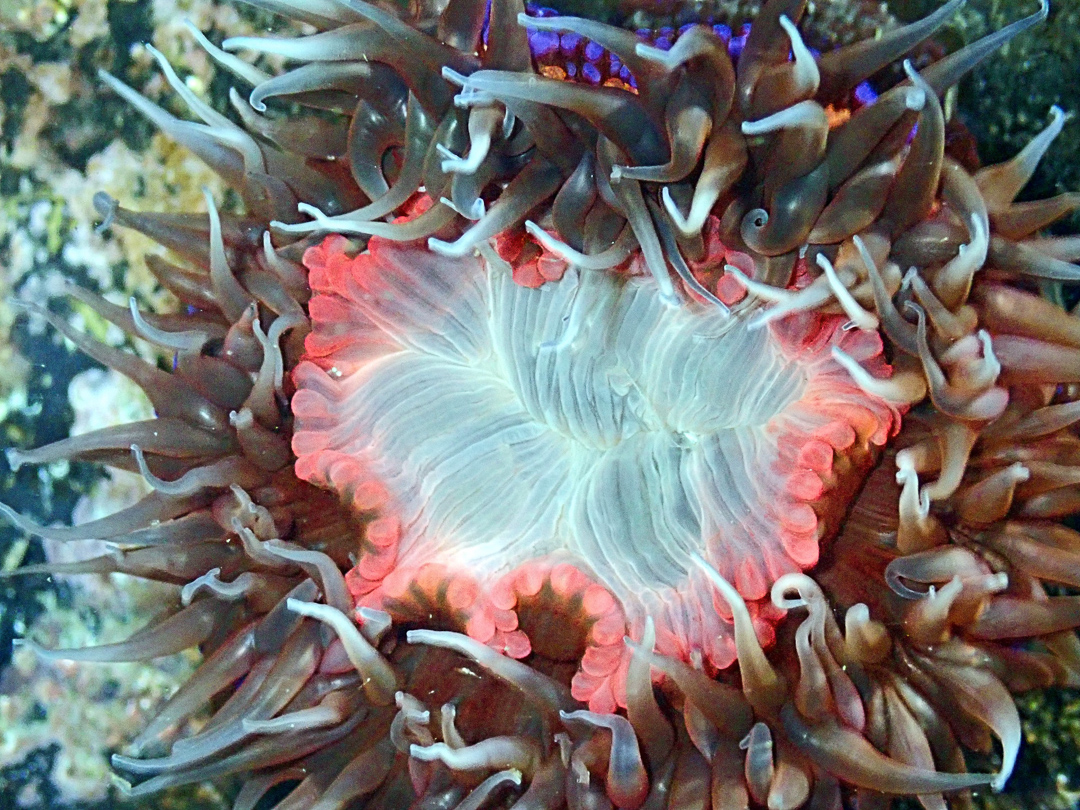
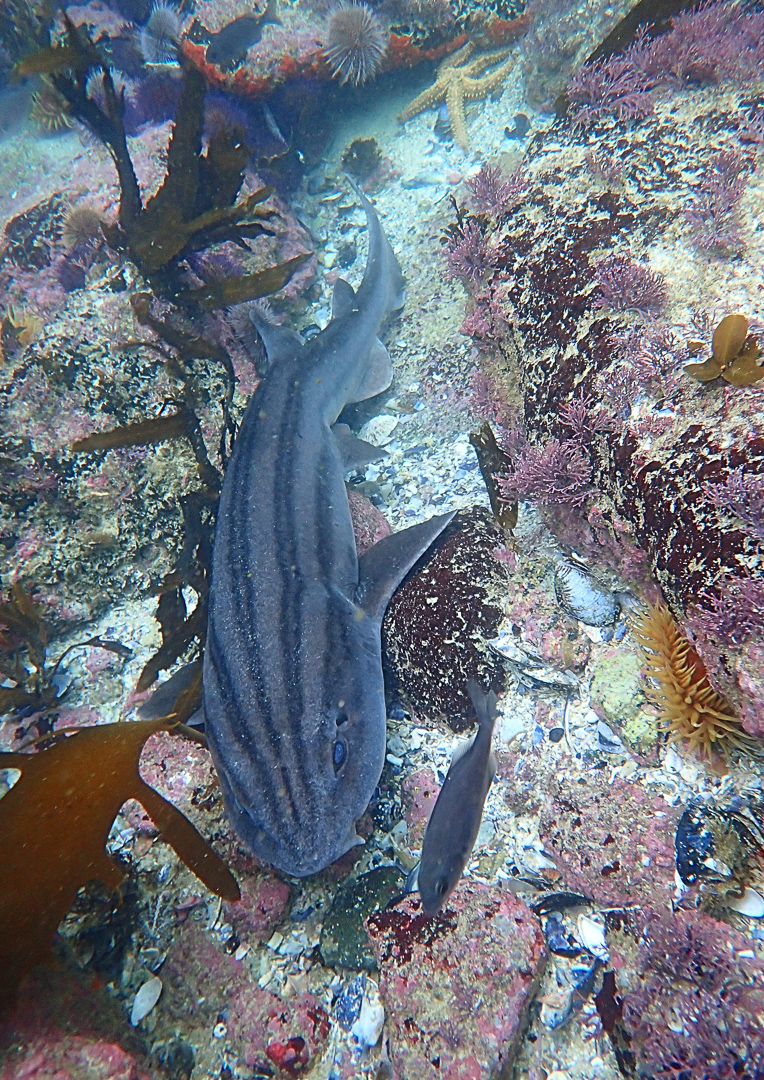
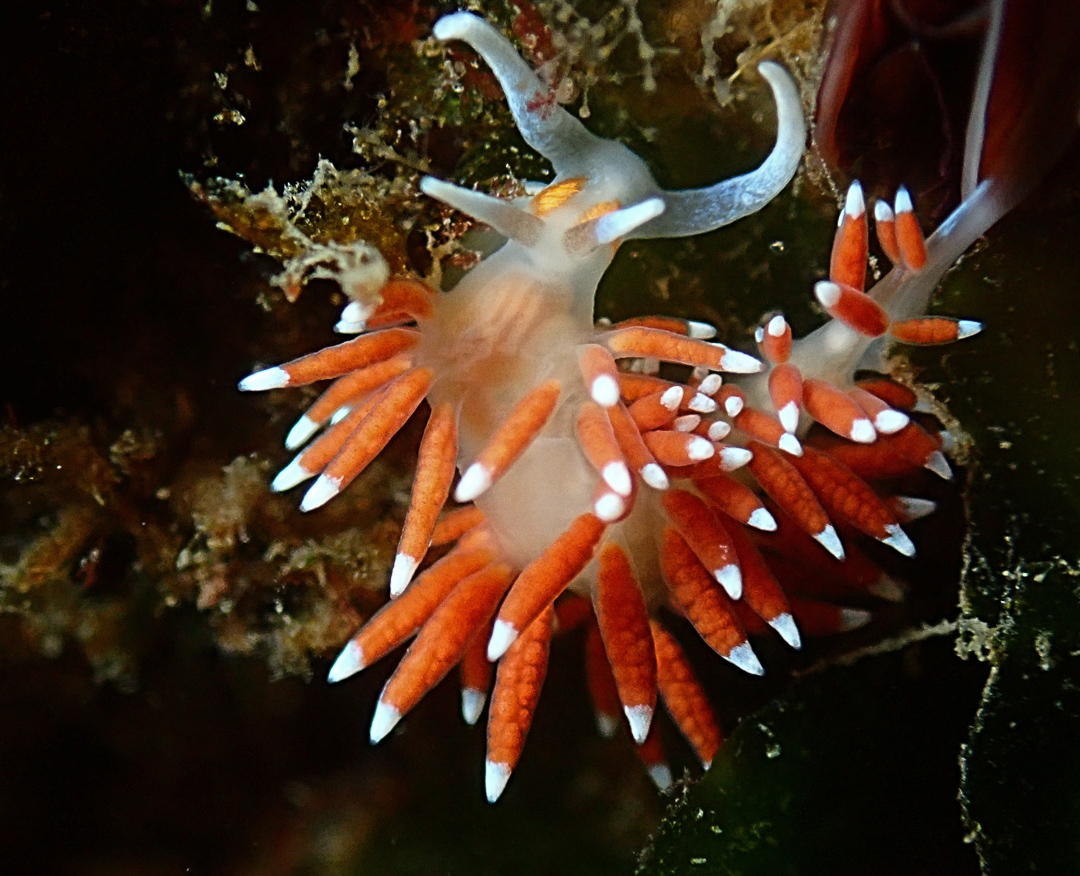
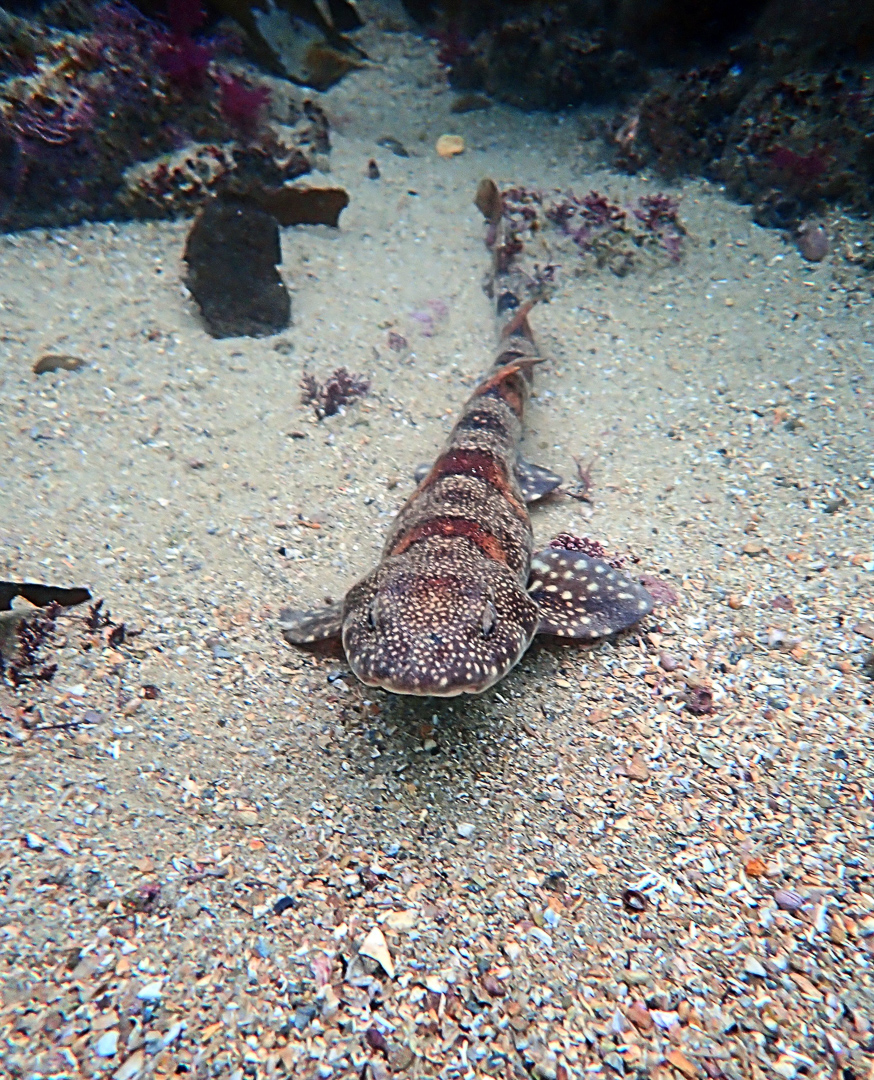
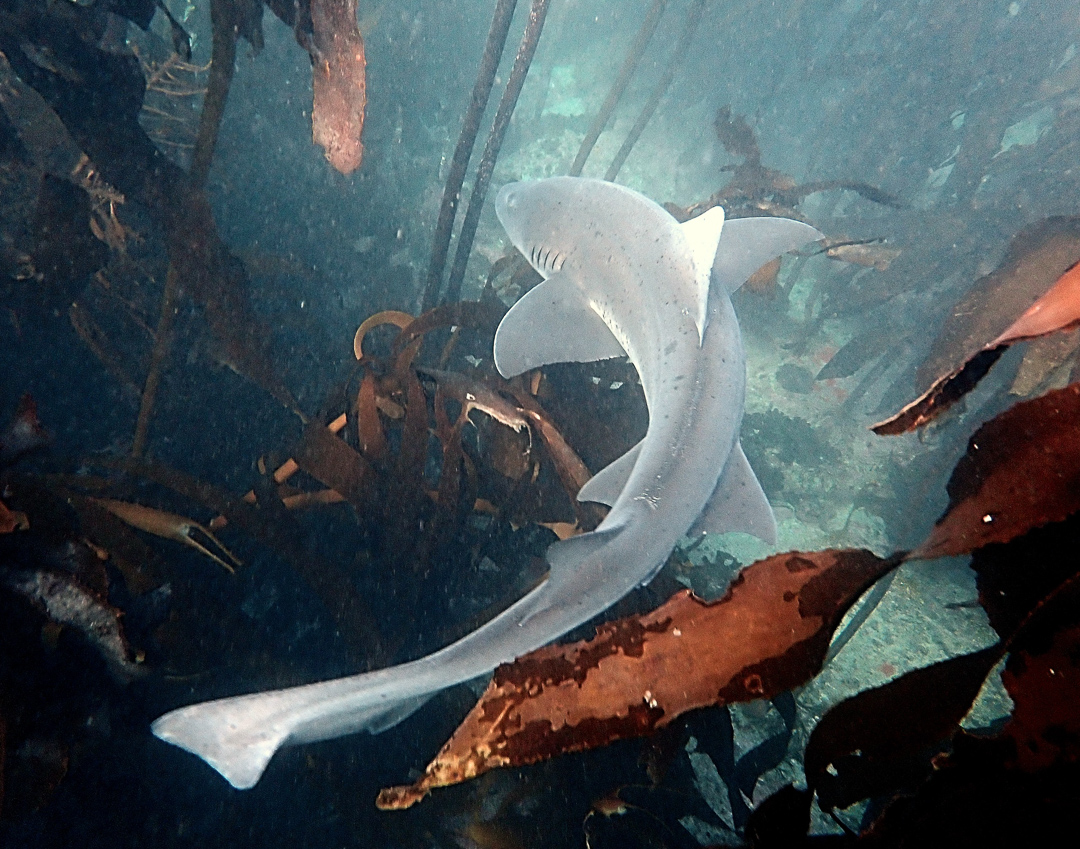
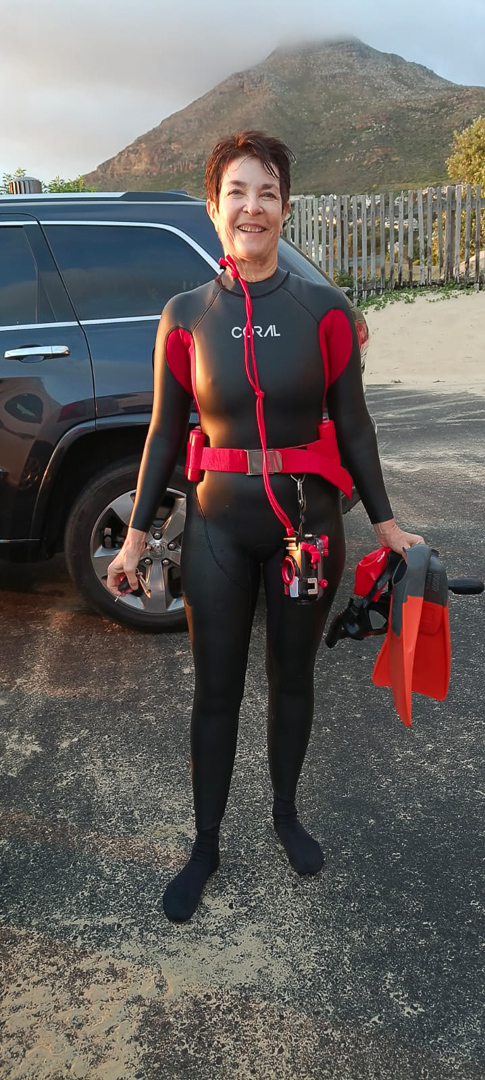
Jo-Anne spends part of every day under the sea in False Bay, photographing the vivid life forms that proliferate in one of the world’s best preserved and healthiest kelp forests.
south african author
About Jo-Anne
Jo-Anne Richards is an internationally published novelist with a PhD in Creative Writing from Wits University. After fifteen years running the Honours programme in Journalism & Media Studies, she left Wits to concentrate on teaching creative writing through All About Writing.
She has published five novels, her latest being The Imagined Child, published by Picador. Her first novel, The Innocence of Roast Chicken, was originally published by Headline Review in the UK, but has recently been rereleased as one of the prestigious Picador Africa Heritage Series.
Her other books include My Brother’s Book, Picador, Touching the Lighthouse, Headline Review and Sad at the Edges, Stephan Phillips.
Both Innocence and Touching the Lighthouse were published in German by Droemer Knaur.
She has been short-listed for the M-Net Book Prize and nominated for the International Impac Dublin Literary Award. Her first book was chosen as a Dillon’s Debut in London, and showcased as an “outstanding first novel”.
Film rights for Innocence were sold to a UK production company and Jo-Anne co-wrote the screenplay with award-winning screenplay writer Richard Beynon. When the German translation of Lighthouse was launched, she was invited to speak at Bayreuth University in Germany on Writing in a Transitional Society.Jo-Anne has published short stories in six collections: a collection of women’s writing produced by Headline and Cosmopolitan UK; in Laugh the Beloved Country, Double Storey Books; From Joburg to Jozi, Penguin; Something to Write Home About, Jacana; Twist, Oshun; and Home Away, published by Zebra Press. She convened the judging panel for the Thomas Pringle Short Story Award in 2010. She gave readings and talks during the literary segment of the Grahamstown Arts Festival in Rhodes University’s centenary year, 2004. She ran narrative workshops at two international Narrative Journalism conferences and one on Investigative Journalism.
At Wits University, she was academic convenor of the Honours programme in Journalism and Media Studies and supervised Masters students in the Creative Writing programme. Previously, she worked full-time for four South African newspapers – The Star, the Sunday Express, the Cape Times and Evening Post. She has written features and supplements for South African magazines and newspapers, including Fair Lady, Femina, Psychologies, Oprah, Real Simple, Leadership, Living, Elle, True Love, Quality Life, Sunday Times Magazine and Lifestyle, and the Mail & Guardian.
She has also contributed to international titles such as The Guardian in London,Vanity Fair and Talk in New York. She received a B Journ (Hons) from Rhodes University in 1979 and a PhD in Creative Writing from Wits University in 2015. She has worked for several NGOs: READ, Environmental and Development Agency and the African Agricultural Technology Foundation. For many years, she chaired the Southern African Inherited Disorders Association where, in partnership with the Wits Department of Human Genetics, she spearheaded a training programme, and created learning materials, to bring primary genetic health to under-served, mainly rural, communities.
Jo-Anne spends part of every day under the sea in False Bay, photographing the vivid life forms that proliferate in one of the world’s best preserved and healthiest kelp forests.




About my world...
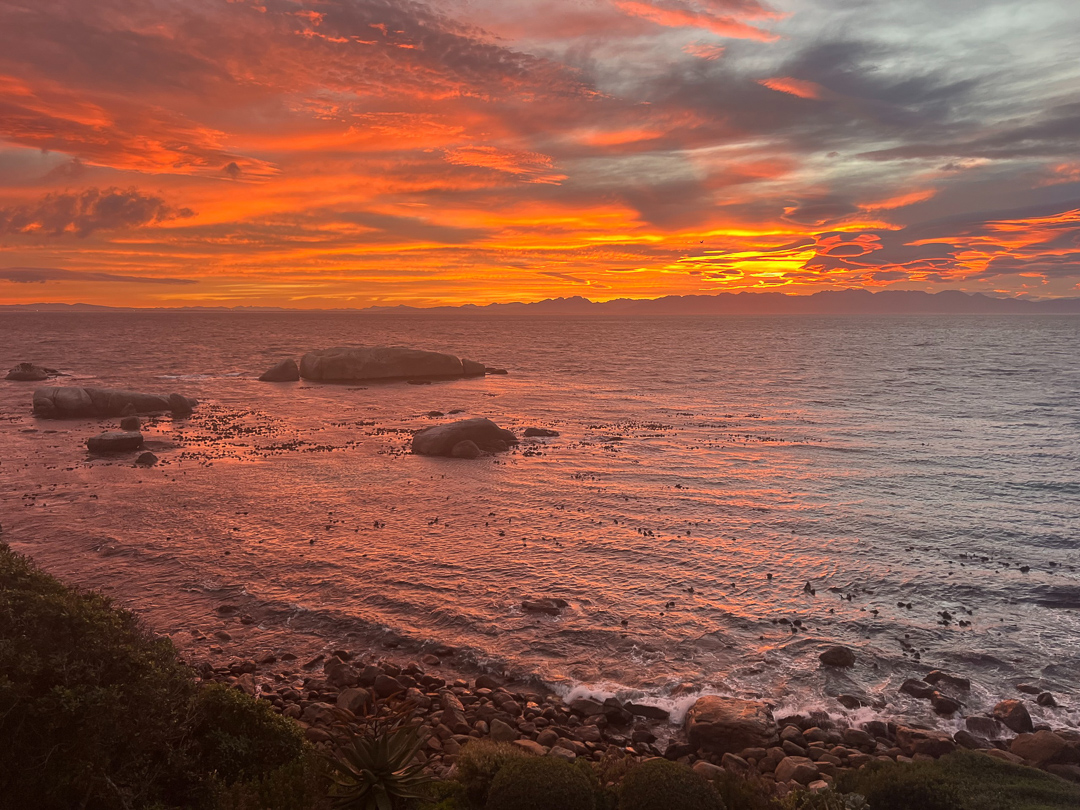
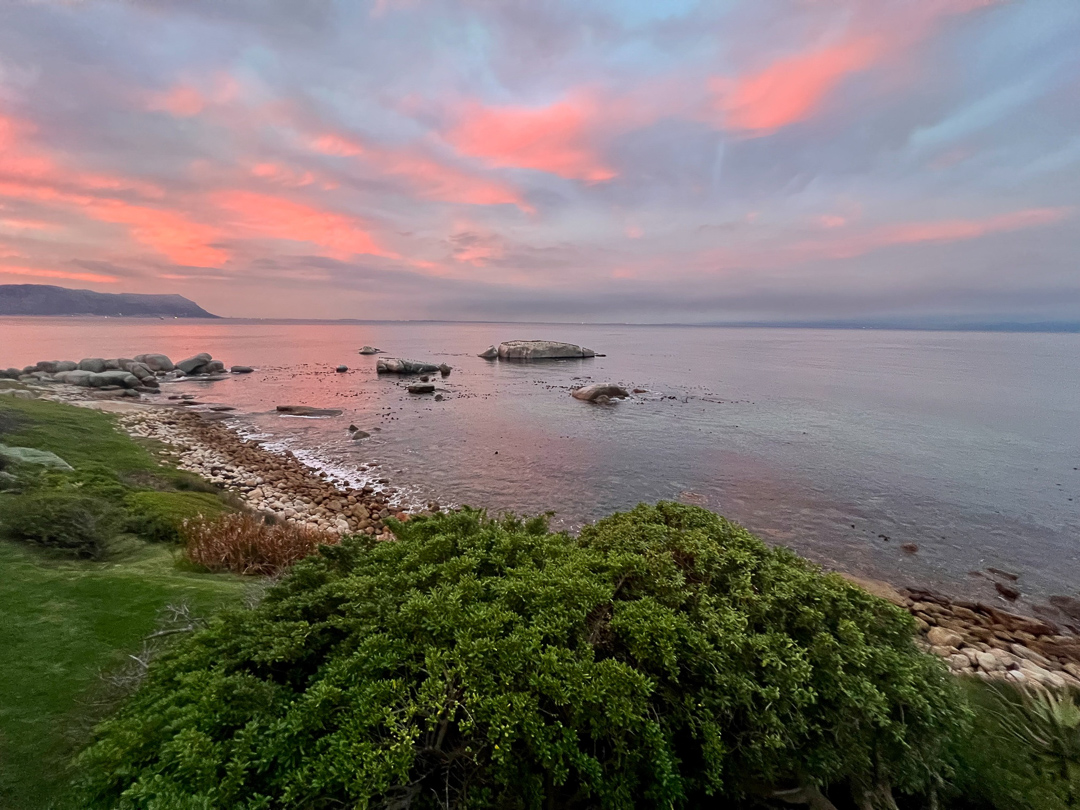
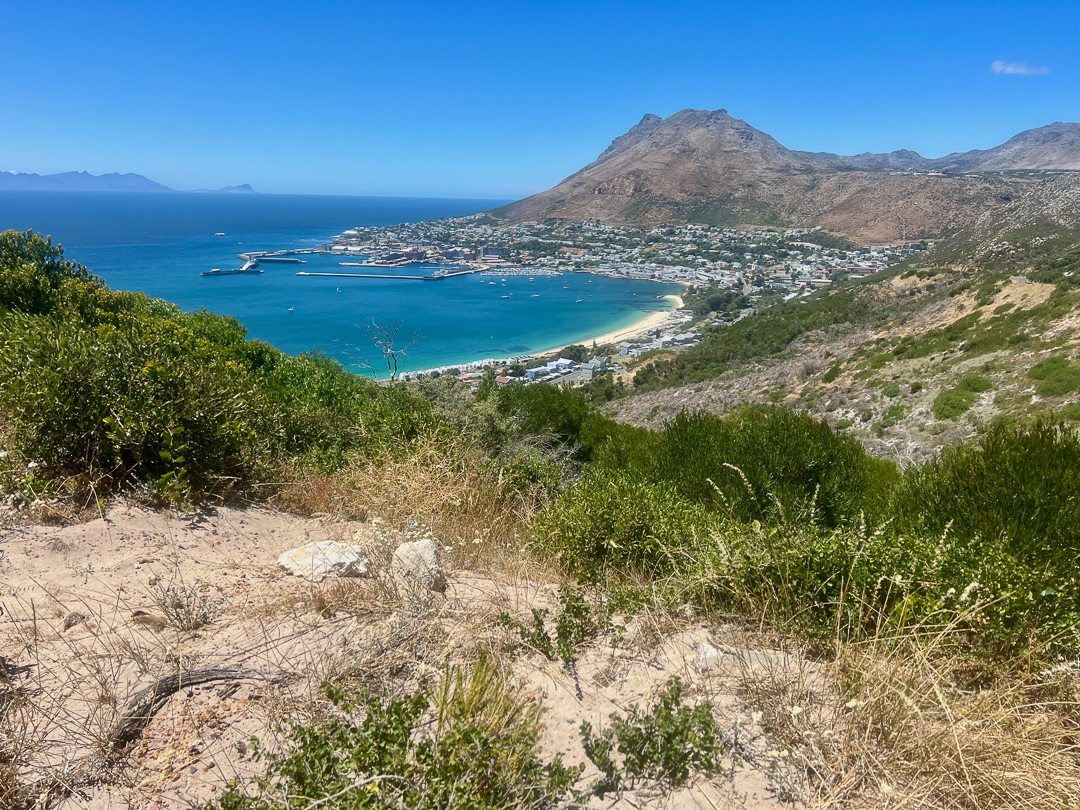
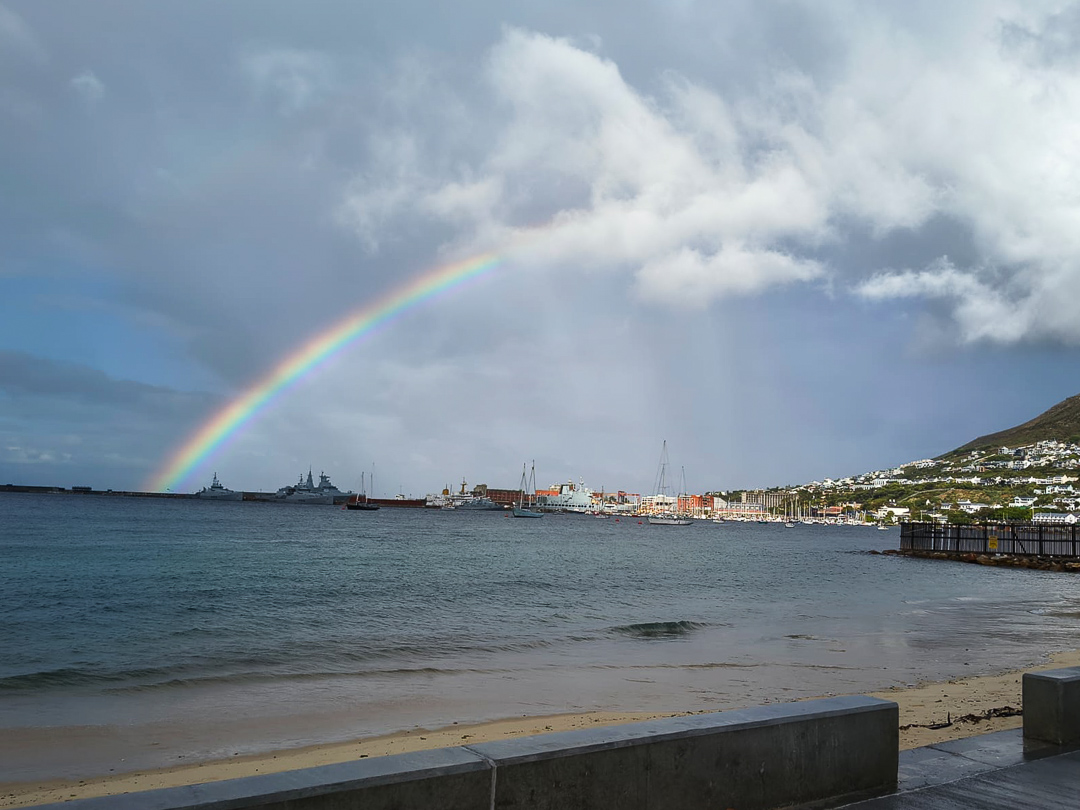
I live in a small naval village at the south-western tip of Africa, where the sun rises, but never sets. Literally.
The birth of each day smears the sea and sky an exuberant pink. But the sun has the civility to travel over the mountain to drown the day in the Atlantic Ocean. I like to think, when I’m being whimsical, that it makes us an optimistic village. The kind of village that would raise a statue in honour of a dog.
Just Nuisance was a Great Dane, nearly two metres tall on his hind legs. During WWII, he took to following the sailors on to trains bound for Cape Town, 35 kilometres up the line. The railway officials threatened to have him put down unless he paid his fare.
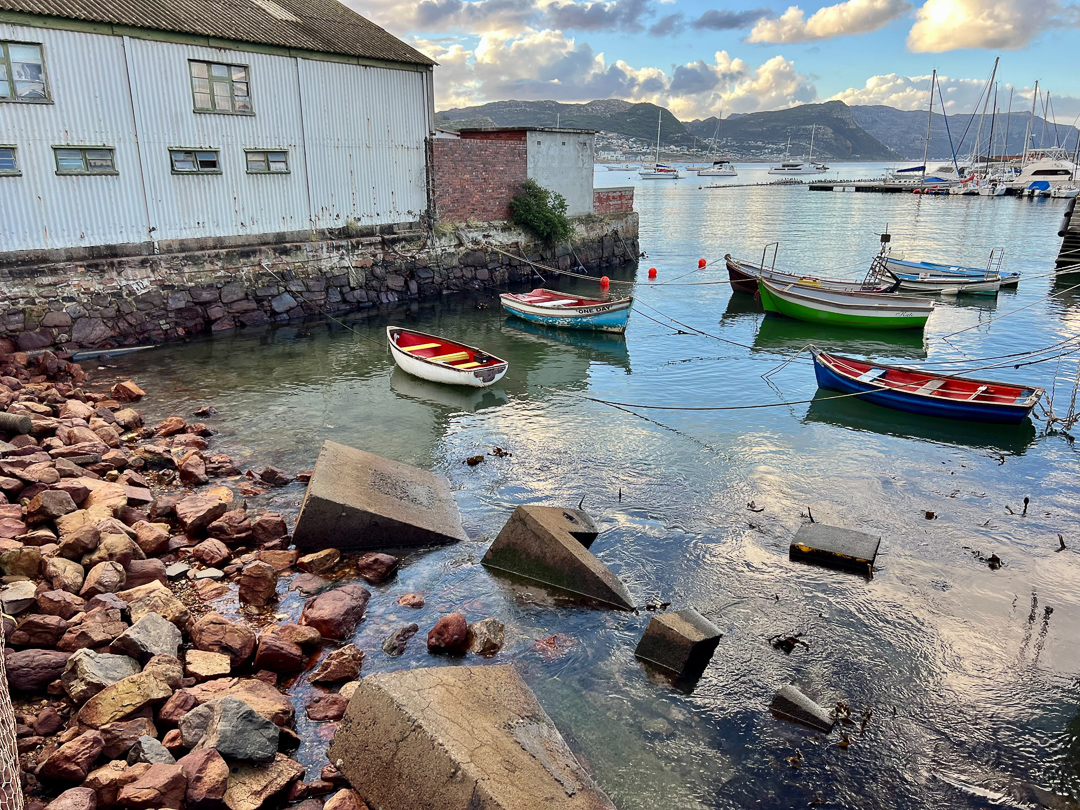
So, Just Nuisance was formally enlisted into the Royal Navy, which entitled him to free rail travel. He signed his enlistment papers with a paw print. His trade was listed as ‘Bone Crusher’. When he died in 1944, he was buried with full military honours, including a gun salute and a lone bugler. His bronze statue stands in Jubilee Square, gazing out over the harbour where his sailors once came and went.
Simonstown’s history is layered in its buildings, like geological strata. Victorian terraces, Cape Dutch facades and Georgian warehouses that once served the fleet. Above the main road, the Noorul Islam Mosque has watched over the town since 1888. In its shadow lived one of the village’s most remarkable figures: Imam Baker spent five years translating the Koran from Arabic into Afrikaans and his first home still stands in Devon Street, marked with a plaque.
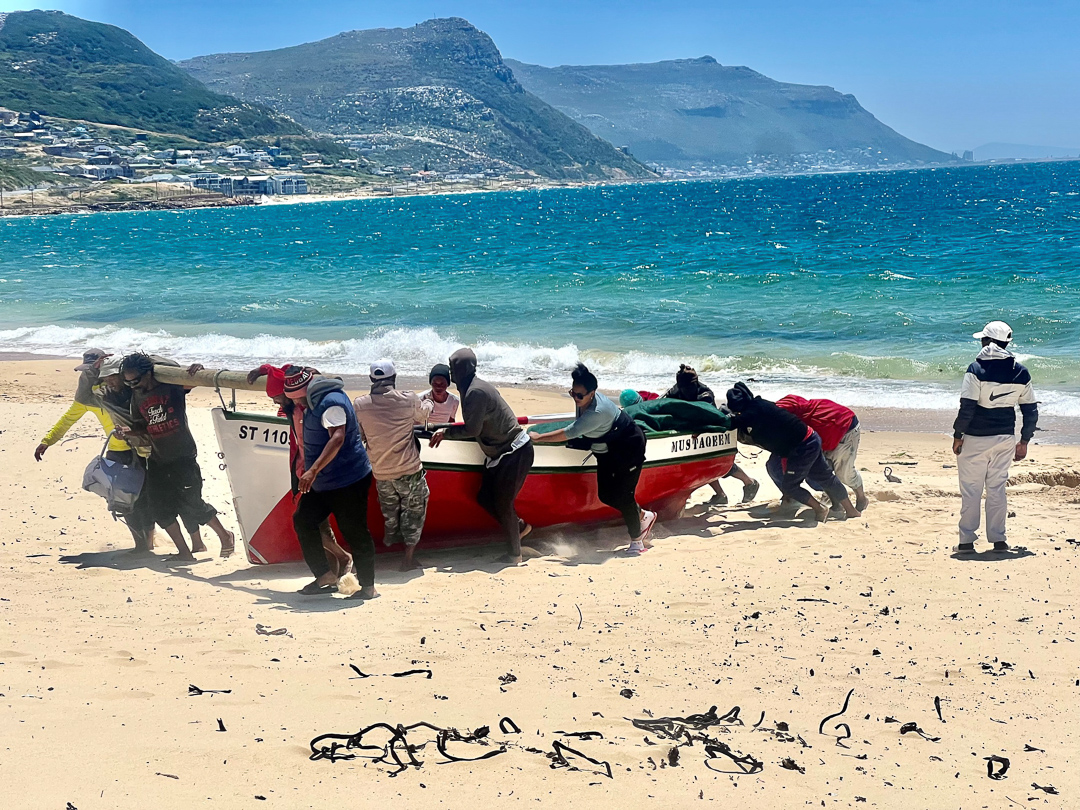
Simonstown has bitter history too. In 1967, the town was declared ‘white’ under the apartheid government’s Group Areas Act. The Muslim community, the coloured families, the fishermen and artisans, whose ancestors had been among the town’s earliest inhabitants: all were sent to wherever the government decreed.
A memorial in Jubilee Square, erected by the residents who stayed, reads: ‘In memory of the generations of fellow citizens who dwelt here in peace and harmony until removed by edict.’ Every year, some of those families return for Heritage Day – to walk the streets, find old neighbours, and refuse to be forgotten. The town contains both great beauty and boundless grief … and is still learning to hold and acknowledge both.
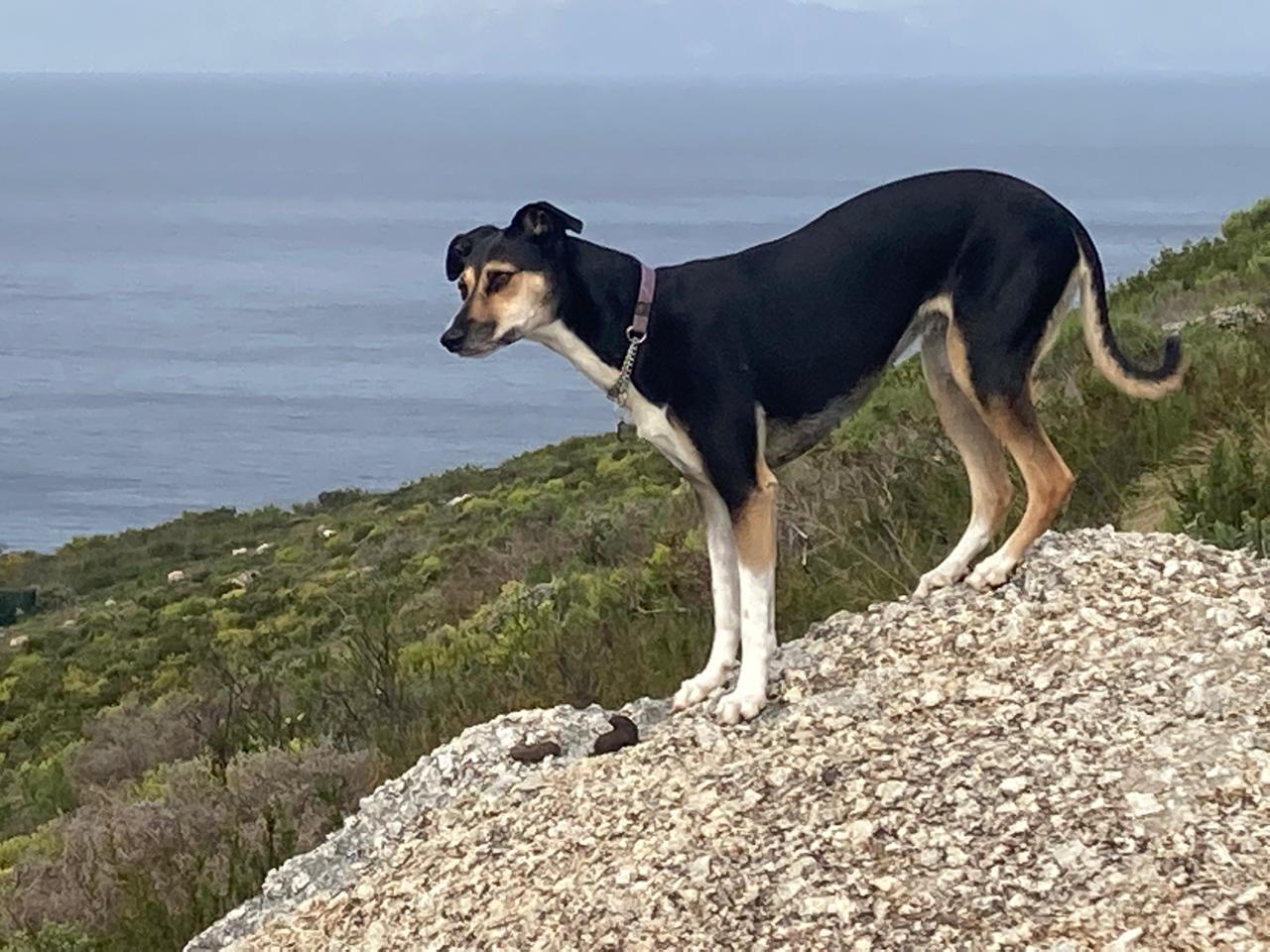
I live here with my partner, Dutch writer Fred de Vries, and our dog Pookie, named for the rabbit with wings, who learnt to fly only when he experienced love – from Belinda the Woodcutter’s daughter. Pookie is an Africanis, an ancient indigenous breed.
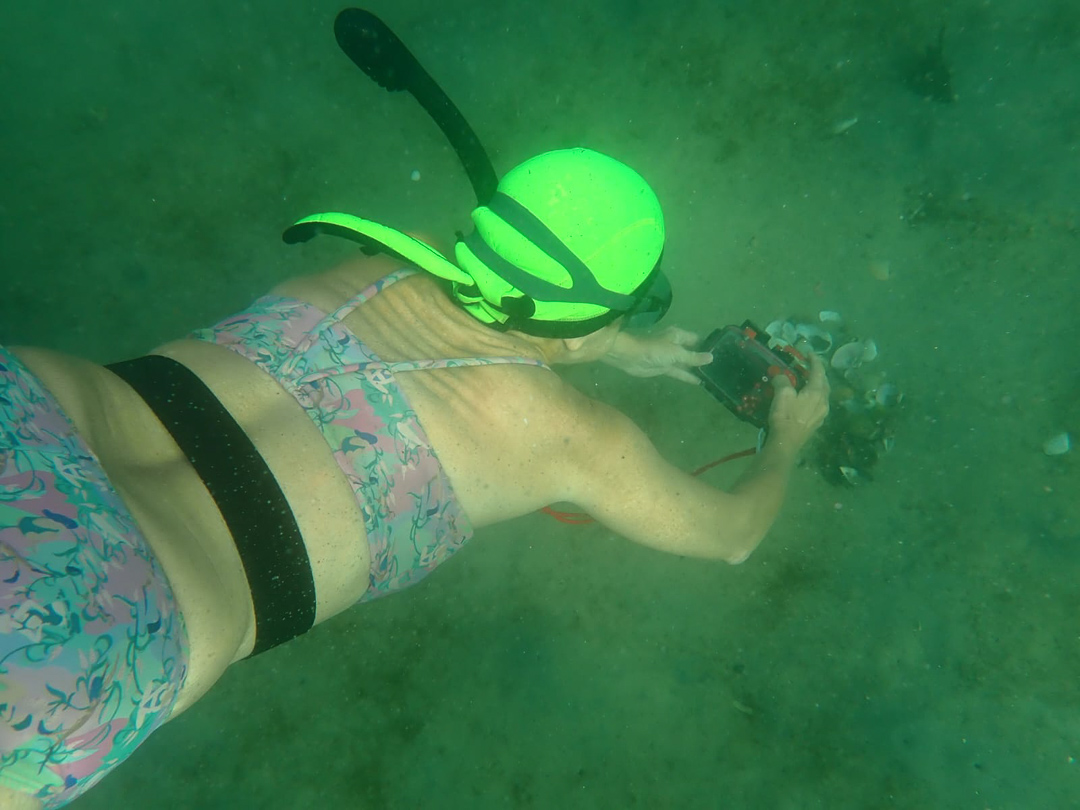
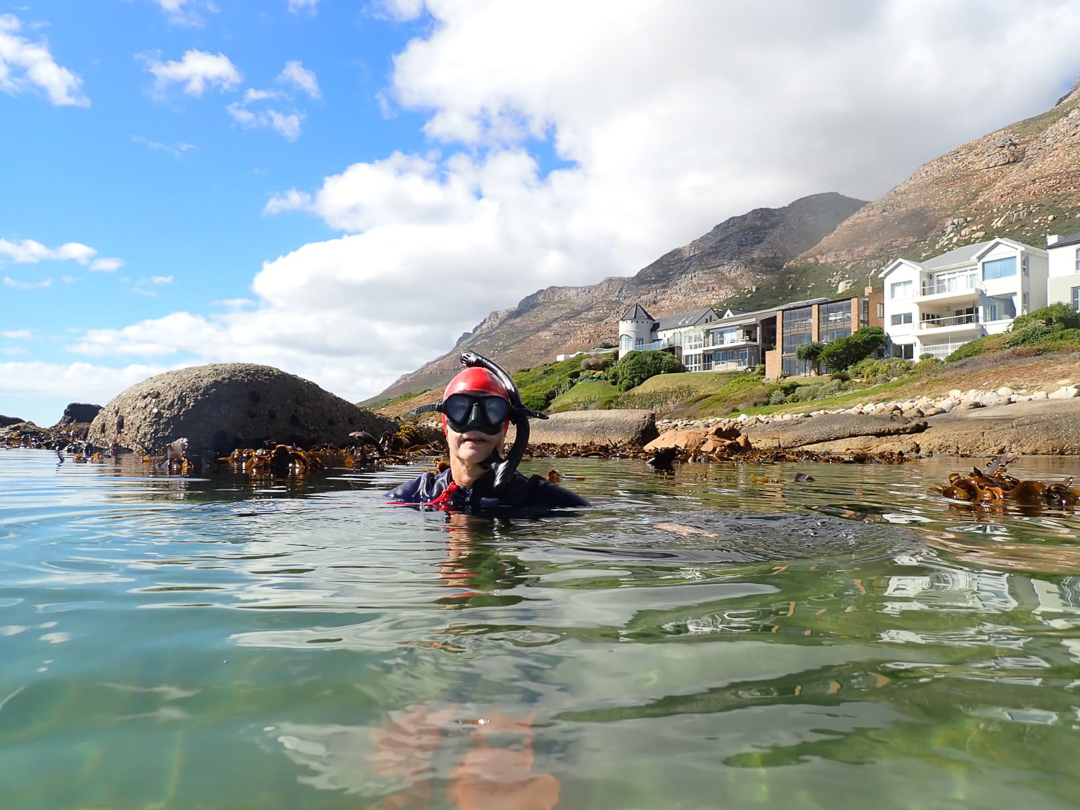
In my village, penguins cross the main road in search of their nests. Baboons roam our gardens, steal our fruit and uproot our carefully nurtured vegetables. Porcupines rattle their way down side roads at night. We can ramble the mountain behind us or stroll down to the sea below. Naturally, I swim every day. What else could I do?
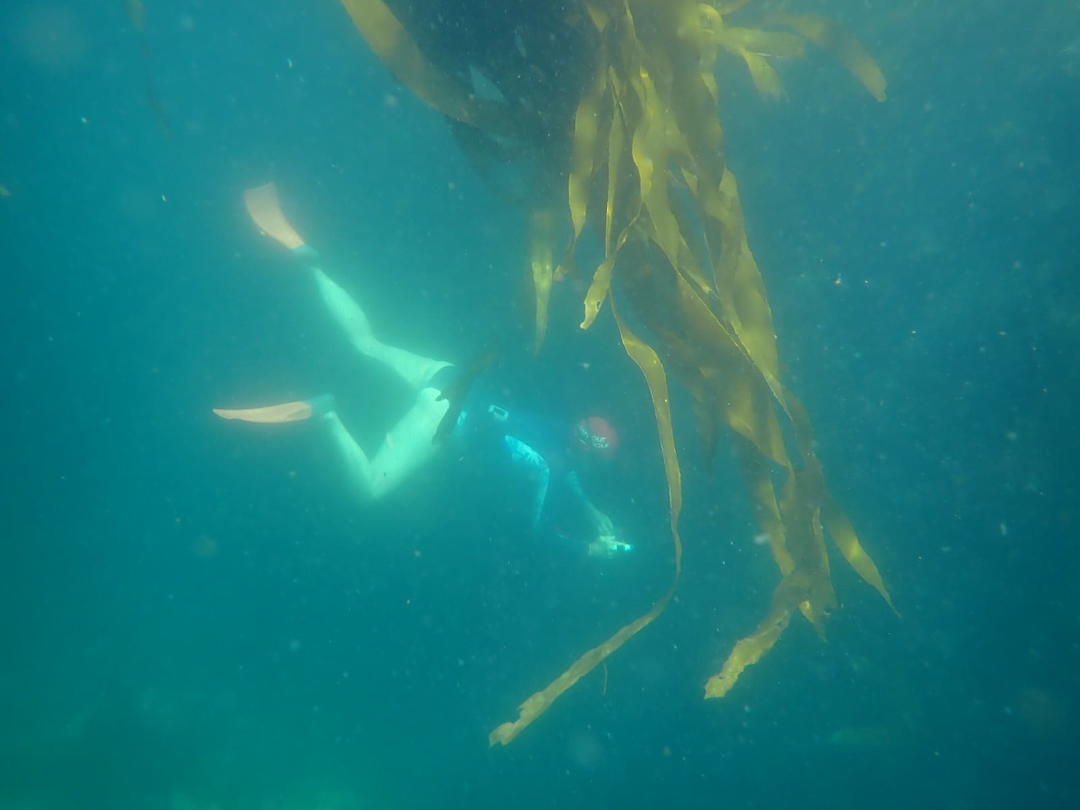
I belong to a wonderful group of ocean swimmers, the Divas who Swim. We weave through kelp forests in search of gully sharks. We chase eagle rays to catch the perfect shot. We dive the old Clan Stuart wreck. We support each other on long adventure swims around the False Bay coast. We drink coffee and almond buns from the beach caravan, shivering so hard we can barely hold our cups.
It gives me joy. When I’m under the water, nothing else matters. Nothing else quite exists. As we always say: YNRAS. You never regret a swim.

On my PHD: The construction and representation of childhood in literature …
I didn’t set out to do so, but five books into a writing life, I found that I had used childhood, parenthood and individual children in four of my books, each to achieve a different purpose.
I used versions of South African childhood, both to examine deeply human concerns and, on a larger scale, to grapple with and critique aspects of my society.
The theme has fascinated me throughout my writing career. It served a different purpose in four of my five novels, yet they all look at the ways in which children are affected, and sometimes damaged, both by their parents and their social context.
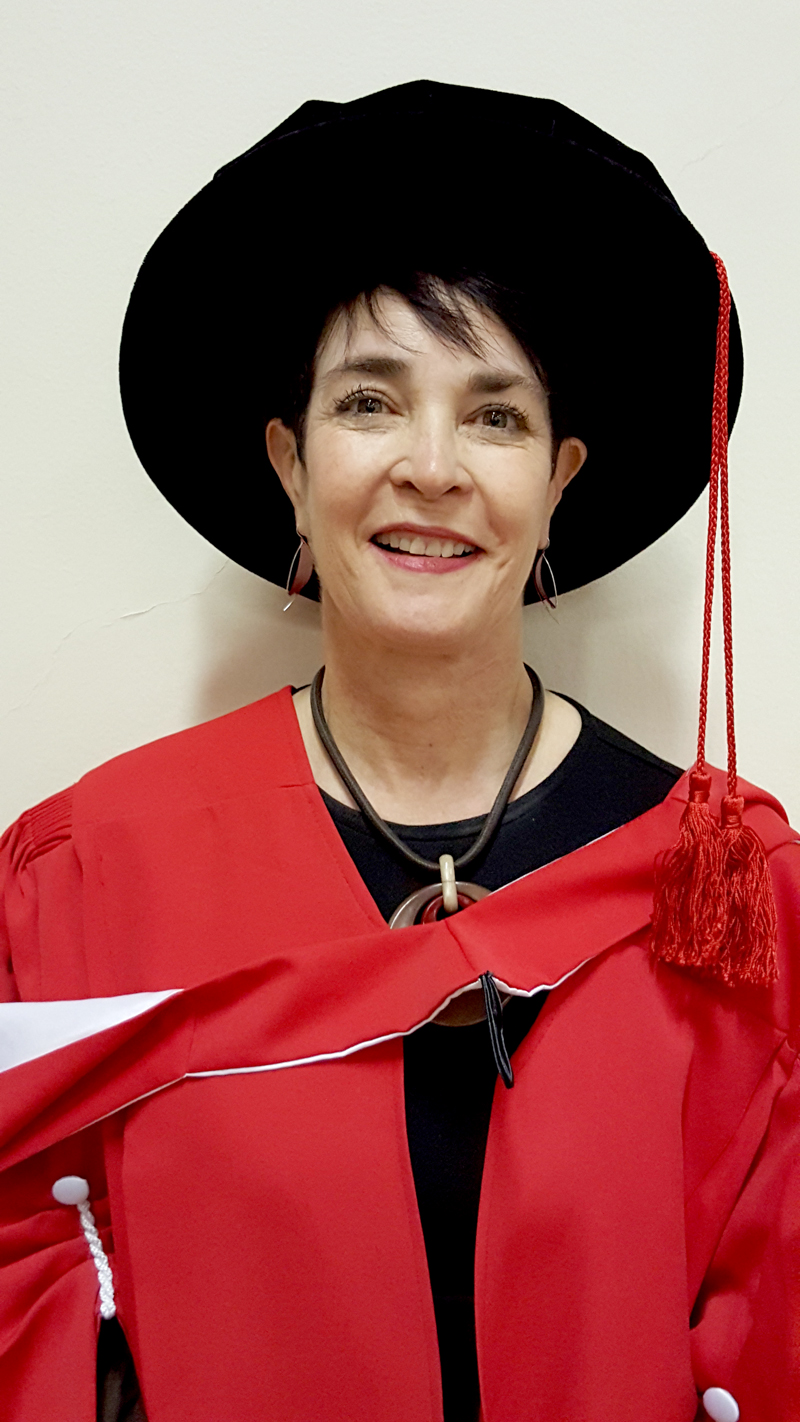
It’s hardly surprising, then, that my PhD focused on this topic. Awarded in 2015, it comprised a work of fiction and a dissertation, both of which explore issues surrounding childhood, children and parenthood.
The Imagined Child formed part of this PhD, a novel which closely examines the nature of parenthood. In the accompanying dissertation, I approached youth in a more academic way, as a literary device. I explored the way novelists use it for different purposes, and the ways in which they achieve their aims.
To do this, I first had to chart its history, since ‘childhood’ itself is not fixed or immutable. Our ideas of what it means, and even how long it lasts, have changed radically over time, according to cultural values and norms.
Then I closely examined the way childhood was represented in Charles Dickens’s David Copperfield , L.P. Hartley’s The Go-Between and Harper Lee’s To Kill a Mockingbird. These three novels, all of which directly influenced my writing, allowed me to follow the shifts in the Western notion of childhood between 1850 and the present day. My fourth text, Michiel Heyns’s The Children’s Day, allowed me to explore the version of youth we, in South Africa, inherited and to consider how it differed from British and American models.
I explored how much each novel represented the notion – at the time the book was set and in the period it was written. Looking at child- and parenthood in different societies and historical periods allowed me to investigate different versions of culture. And, in turn, I could explore the way in which literature both informs and is influenced by each different ethos. This also showed quite clearly how much our appreciation of the books can be enhanced by understanding how childhood was seen at the time.
My dissertation also gave attention to traditional and contemporary African notions of child- and parenthood, since I was interested in how much our white South African upbringing was influenced by its African setting. Then I explored a cohort of post-1990 South African novels that concerned children and argued that, through their treatment of childhood, we could read the zeitgeist of our society at the time.
And finally, I explored my own work in relation to all these texts, both in their representation of youth, and in the felt experience of childhood and how it was expressed.
What I valued most, in the end, was simply the time – rare, in a writing life – to sit still with the question rather than write my way past it. Three years of research, in other words, to formally confirm what I’d been doing on instinct.
Jo-Anne's Books
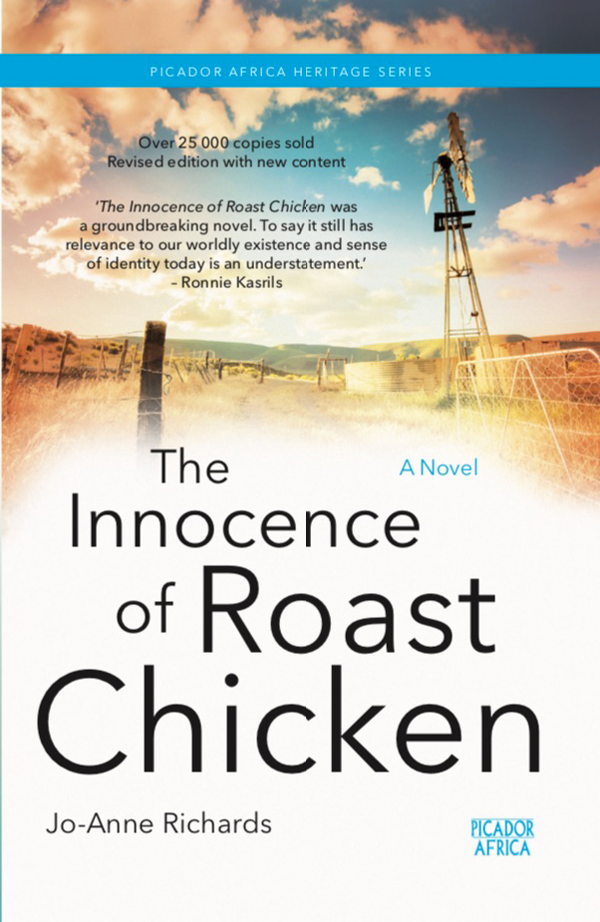
The Innocence of Roast Chicken
Set on a Free State farm in the 1960s, this is the story of an Afrikaans/English family’s seemingly idyllic life, seen through the eyes of young Kate — and the fragile web of relationships that a single, brutal incident will shatter. Years later, in the heady, uncertain Johannesburg of 1989, the past refuses to stay buried.

The Imagined Child
Odette, a soap-opera scriptwriter, moves to the small Free State town of Nagelaten hoping to leave the chaos of Johannesburg — family trouble, a fraught relationship, a brush with violent crime — behind her. To the town, she appears to be a woman quietly recovering from heartbreak. They have no idea what she’s really running from
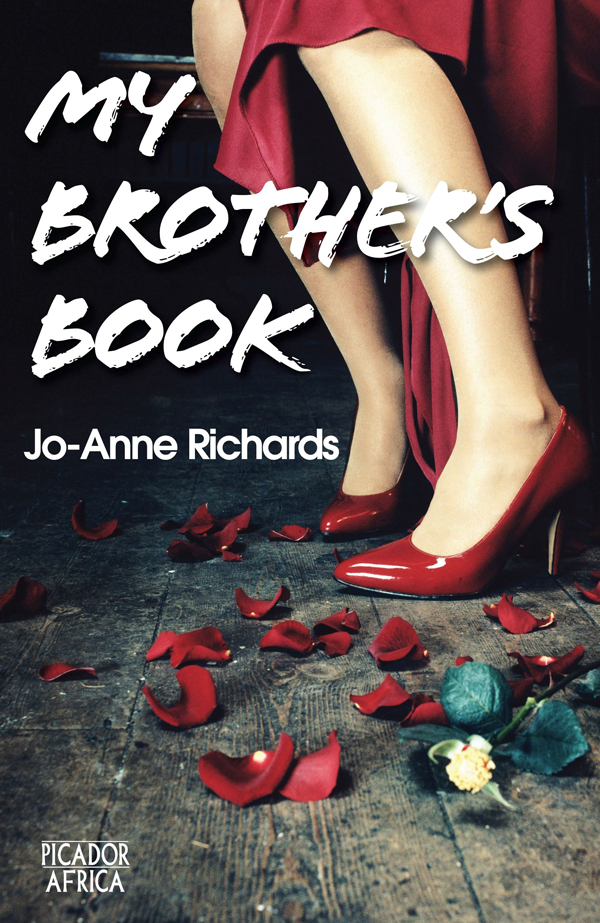
My Brother's Book
I was born on page 23 of my brother’s book. On page 52, before the whole world, I betrayed him. Spanning two siblings’ lives from a nomadic 1960s childhood to an uneasy adulthood in 2004 Johannesburg, this is a story of betrayal and atonement — and of a brother and sister forced to reconcile their fierce love with thirty years of anger.
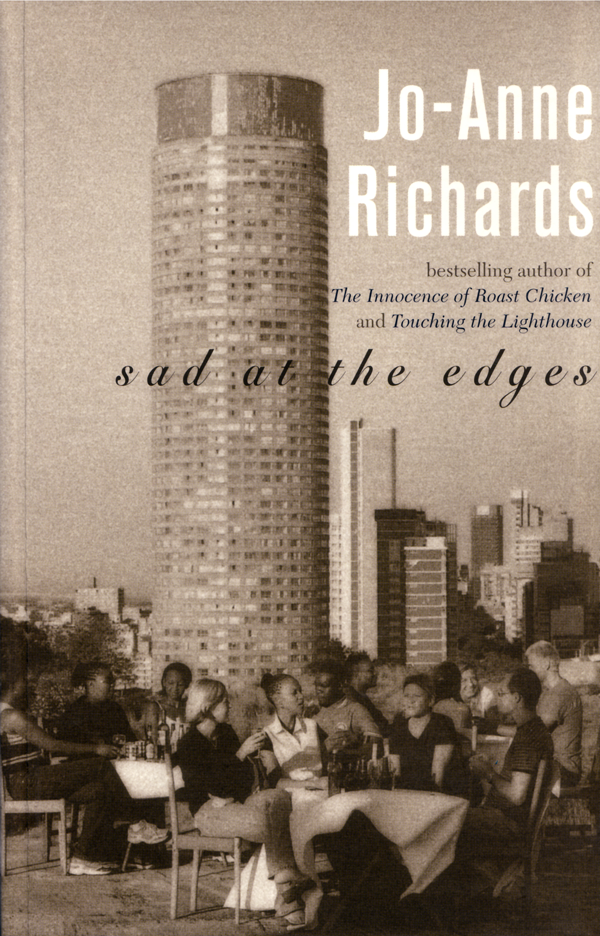
Sad at the Edges
Megan returns to Johannesburg from London to find her cousin Francesca using the appearance of an ordinary life to mask a darker past. As the city — restless, vivid, caught between euphoria and disenchantment — pulls them both into its extremes, Megan and Francesca are dragged toward a reckoning neither quite wants. A story of hope and recovery, told with the lyricism of The Innocence of Roast Chicken.
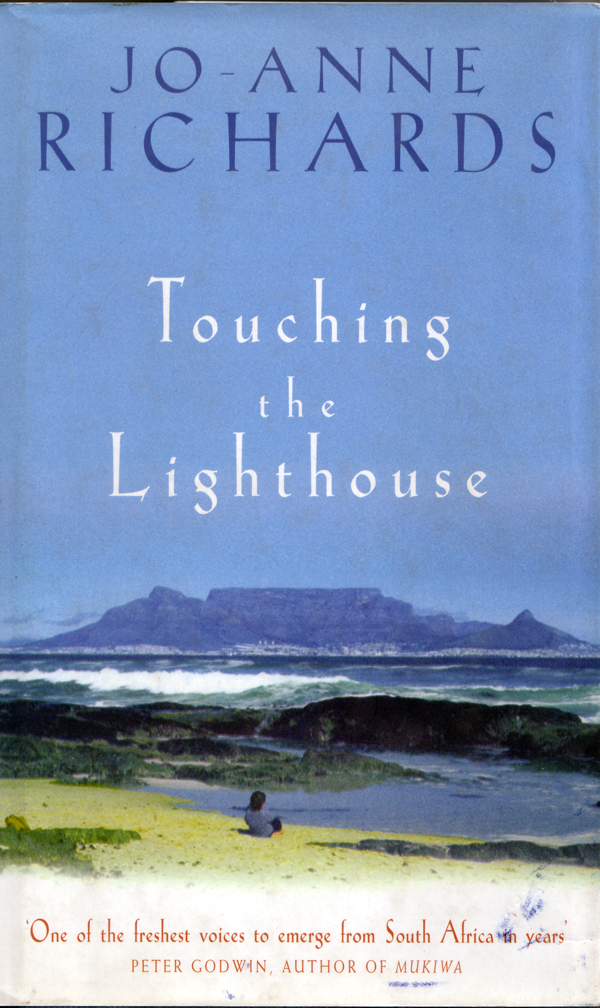
Touching the Lighthouse
Susan and Jennifer are two young women in search of their adult selves, in a South Africa charged with the tension of historic change. Their reckless passion finds an unsettling foil in Maud, their cleaner — perhaps the only one who can see where their futures are really headed. A worthy successor to The Innocence of Roast Chicken, written with the same acute sense of place and time.
‘Jo-Anne Richards displays a wonderful feeling for place and period ... her prose is sharply evocative, and she conjures up the child’s powerful feelings with a vividness intensified by nostalgia.’ – MARGARET WALTERS, The Sunday Times
-The Innocence of Roast Chicken
‘A rapturous and tactile evocation of dust, food, noises and a childhood do- main, rendered with a marked empathy for the child and the magical proper- ties of a child’s stamping ground.’ – ELIZABETH BUCHAN, The Times
-The Innocence of Roast Chicken